
Get Accessible Ramp Installation in Monmouth County, NJ
Accessible ramp installation services help property owners in Monmouth County, NJ, and nearby areas by providing solutions for wheelchair access, mobility improvements, and compliance with accessibility standards.
Accessible ramp installation services provide property owners in Monmouth County, NJ with practical solutions to improve mobility and accessibility around their homes and businesses. These ramps enhance convenience for individuals with limited mobility, making everyday activities safer and more manageable. By choosing professional installation, property owners can ensure that ramps are tailored to their specific needs, offering a seamless transition between different levels while maintaining the overall functionality of the property.
In addition to improving safety and ease of access, installing durable ramps can boost curb appeal and reduce ongoing maintenance costs. High-quality materials and expert craftsmanship contribute to long-lasting solutions that withstand local weather conditions, minimizing the need for frequent repairs. This combination of practicality and aesthetic appeal makes accessible ramp installation a valuable upgrade for property owners seeking to create a safer, more functional, and attractive environment.
- Accessible ramp installation services are essential for homes and businesses seeking to improve accessibility for individuals with mobility challenges.
- People in Monmouth County, NJ, and surrounding areas may need ramps to comply with accessibility standards or to enhance safety.
- Commercial properties requiring ADA-compliant access often seek professional ramp installation to meet legal requirements.
- Residential clients may look for durable ramps to facilitate easier entry for elderly or disabled family members.
- Local service providers can assist with the installation of custom ramps tailored to specific property needs.
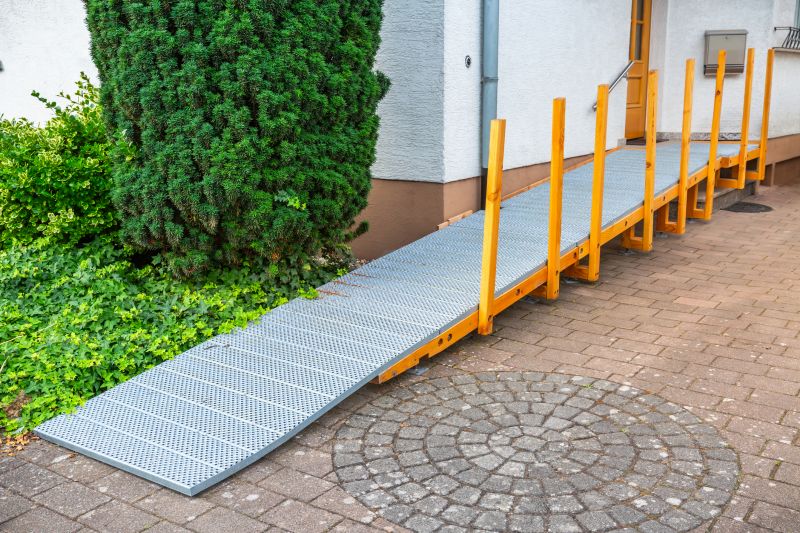
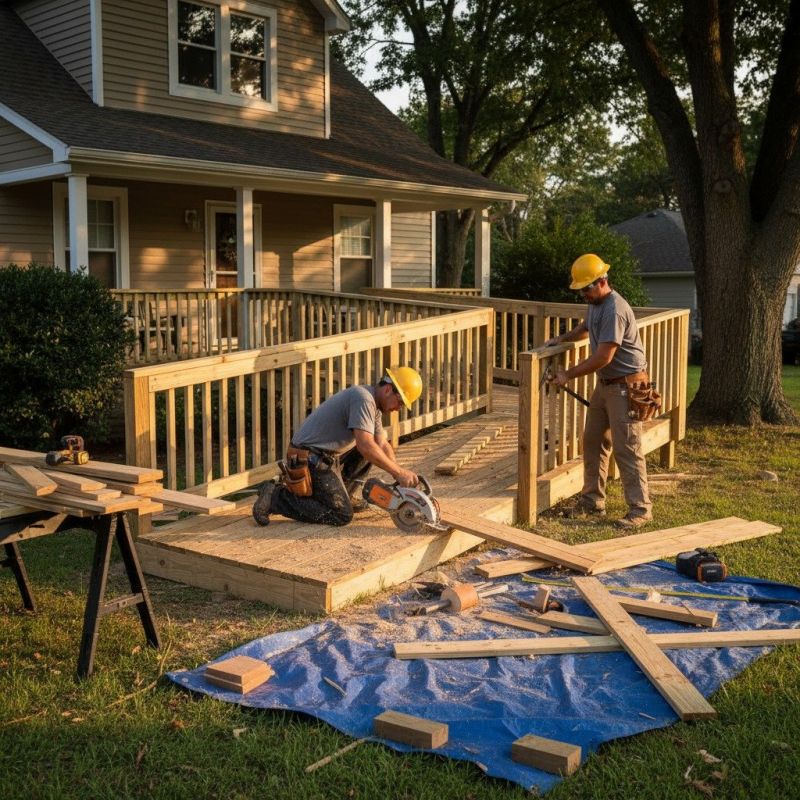
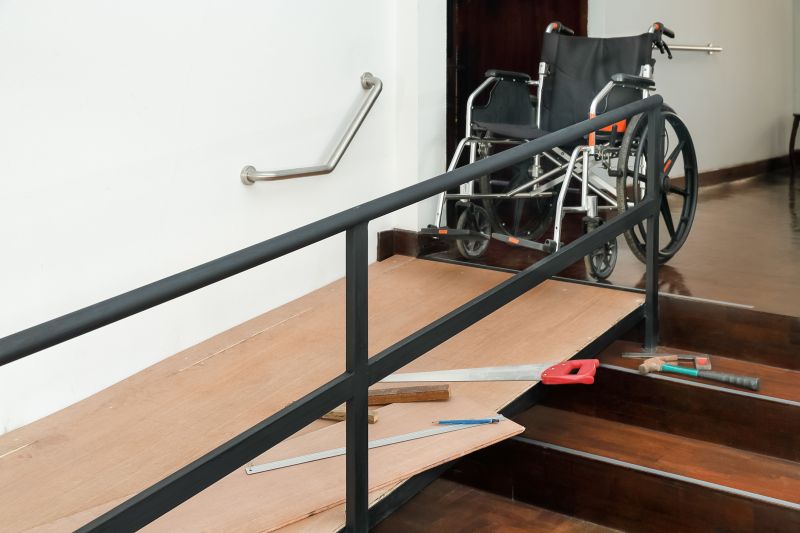
Accessible ramp installation services involve the design, construction, and setup of ramps that provide easier access to buildings for individuals with mobility challenges. These services typically include assessing the property to determine the most suitable ramp type and placement, preparing the site, and installing the ramp structure according to specific measurements and safety considerations. The goal is to create a smooth, stable pathway that accommodates wheelchairs, walkers, or other mobility aids, ensuring safer and more independent access to homes, businesses, and public facilities.
These services help address common accessibility problems such as uneven steps, narrow doorways, or elevated entrances that can pose significant barriers for individuals with limited mobility. Installing a properly designed ramp can eliminate the need for stairs, reducing the risk of falls and making entrances more navigable. This can be especially important for residents recovering from injury, seniors with mobility limitations, or visitors who use mobility devices. Properly installed ramps also help property owners comply with accessibility standards and promote inclusivity for all visitors or residents.
Accessible ramp installation services are often used on various types of properties, including private residences, commercial buildings, healthcare facilities, and public spaces. Residential properties with elevated porches or steps frequently require ramps to facilitate easier access for family members or guests with mobility needs. Commercial properties, such as retail stores, offices, or restaurants, may also seek ramp installation to meet accessibility regulations and accommodate customers or employees with disabilities. Public buildings, including community centers and government offices, often require ramps to ensure compliance with accessibility laws and to serve diverse community members.
The installation of accessible ramps can be customized to suit different property layouts and user needs. Options include portable ramps, modular systems, or permanent structures made from materials like aluminum, wood, or concrete. The choice of ramp type depends on factors such as the property's architecture, the expected frequency of use, and the level of accessibility required. Local service providers specializing in ramp installation can evaluate individual properties and recommend solutions that enhance safety, convenience, and compliance, helping property owners create more accessible environments for everyone.
The overview below groups typical Accessible Ramp Installation projects into broad ranges so you can see how smaller, mid-sized, and larger jobs often compare in Monmouth County, NJ.
In many markets, a large share of routine jobs stays in the lower and middle ranges, while only a smaller percentage of projects moves into the highest bands when the work is more complex or site conditions are harder than average.
Installation Costs - The cost for installing an accessible ramp typically ranges from $1,000 to $3,500, depending on length and materials. For example, a standard aluminum ramp might cost around $1,200, while a custom wood ramp could be closer to $3,000.
Material Expenses - Material costs vary widely, with basic wood ramps starting at approximately $300 and more durable options like composite or metal ramps costing $1,000 or more. The choice of material impacts the overall project budget.
Labor Charges - Labor fees for ramp installation generally range from $500 to $2,000, influenced by project complexity and site conditions. More intricate installations or custom designs tend to increase labor costs.
Additional Costs - Extra expenses may include permits, site preparation, or modifications, which can add $200 to $1,000 or more. These costs vary based on local regulations and specific property requirements.
Actual totals will depend on details like access to the work area, the scope of the project, and the materials selected, so use these as general starting points rather than exact figures.
Commercial Building Accessibility - local contractors can install ramps that meet the needs of businesses seeking to improve accessibility for customers and employees.
Residential Accessibility Ramps - service providers offer solutions for homeowners looking to enhance mobility and safety for family members with limited mobility.
Public Facility Ramp Installations - local pros assist in making public spaces compliant with accessibility standards through professional ramp installation services.
Wheelchair Ramp Projects - specialists provide customized ramp solutions designed to accommodate various wheelchair types and user needs.
Temporary or Portable Ramps - service providers can supply and install portable ramps for events or short-term accessibility needs.
Outdoor Accessibility Improvements - local contractors help with durable ramp installations that withstand weather conditions and outdoor environments.
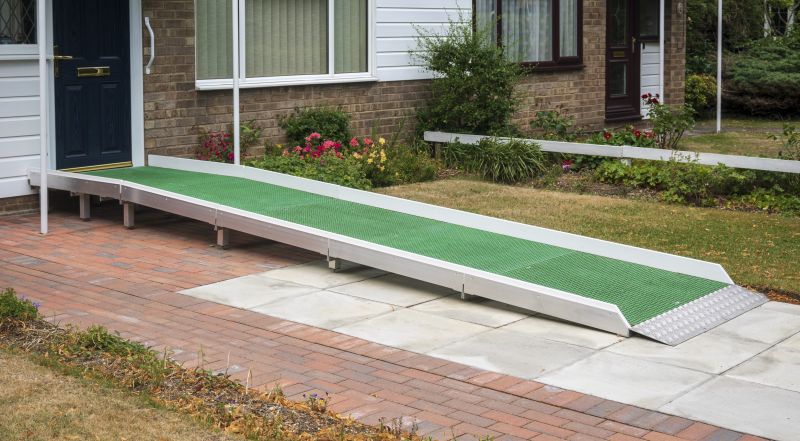
When selecting professionals for accessible ramp installation, it is important to consider their experience in handling similar projects. Homeowners should look for contractors who have a proven track record in designing and constructing ramps that meet specific accessibility needs, ensuring that the work aligns with safety standards and functional requirements. Reputable references and prior work examples can provide insight into a contractor’s reliability and quality of craftsmanship, helping homeowners make informed decisions based on the experiences of previous clients.
Clear communication and written expectations are essential when working with local pros for accessible ramp installation. Homeowners should seek providers who are transparent about the scope of work, materials used, and project timelines, with detailed written agreements that outline these elements. Open dialogue helps prevent misunderstandings and ensures that both parties are aligned on the project’s goals, fostering a smoother installation process and a final result that meets individual accessibility needs.
It is also beneficial to evaluate the reputation and credibility of local service providers through trusted references or reviews. Homeowners can inquire about the professionalism, responsiveness, and overall satisfaction of past clients to gauge the reliability of a contractor. Since this resource introduces local options rather than performing the work itself, it is recommended to contact multiple providers to compare their experience, communication style, and references, ensuring a well-informed choice when selecting a professional for accessible ramp installation.
Property owners in Monmouth County, NJ use Accessible Ramp Installation services for practical projects around their homes and businesses. The sections below highlight everyday jobs and straightforward project options.
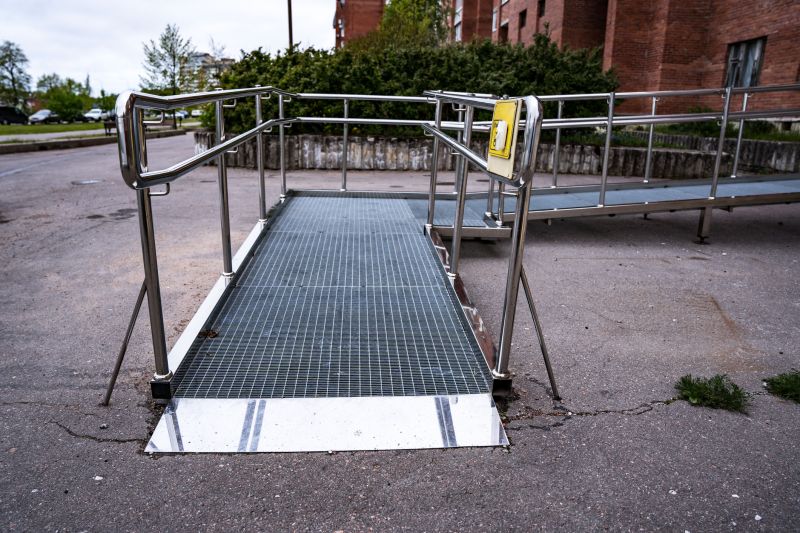
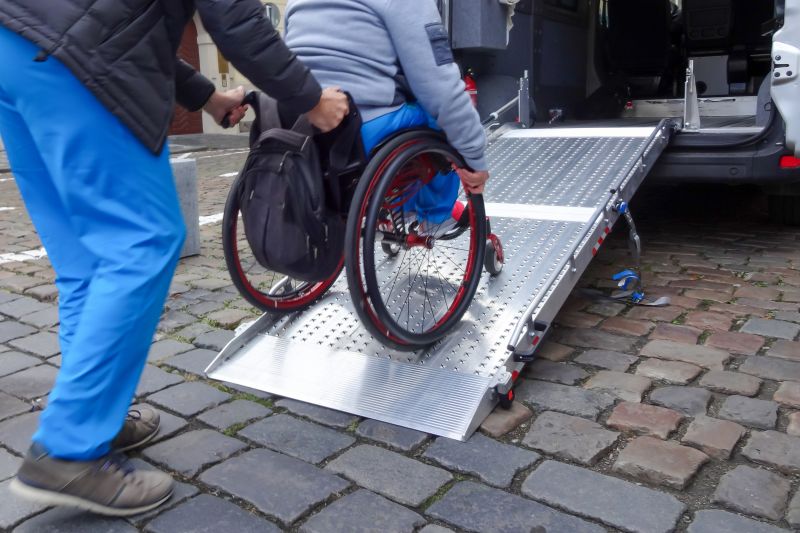
Accessible ramp installation services are commonly sought by property owners in Monmouth County, NJ, who need to improve mobility around their homes or businesses. Whether adapting a residence for aging in place or making a commercial property more accessible for visitors with mobility challenges, ramps can provide safer and more convenient entry points. Local service providers can assist with installing durable, compliant ramps that accommodate various property layouts and meet specific accessibility needs.
Many property owners consider ramp installation after experiencing changes in mobility or to comply with accessibility standards. These projects often involve modifying existing entrances or creating new accessible pathways to ensure ease of access for individuals using wheelchairs, walkers, or other mobility aids. Local contractors in Monmouth County can evaluate the property and recommend solutions that enhance safety and accessibility for everyday use.
What types of ramps are available for installation? Local service providers can install various types of accessible ramps, including portable, modular, and custom-built options, tailored to specific mobility needs and property requirements.
How long does a typical ramp installation take? The duration of installation varies based on the ramp type and property conditions; contacting local pros can provide more precise estimates for specific projects.
Are there building codes or regulations for ramp installations? While this information can vary by location, local contractors are familiar with relevant guidelines and can ensure installations meet necessary standards.
What materials are commonly used for accessible ramps? Common materials include aluminum, wood, and composite materials, selected based on durability, aesthetics, and user needs, with local pros providing guidance on options.
Can ramps be customized for unique property layouts? Yes, many local service providers offer custom ramp solutions designed to fit specific property features and accessibility requirements.
Accessible Ramp Installation Services - Local professionals can assist with the design and installation of ramps that improve accessibility for all users.
Custom Ramp Solutions - Contractors offer tailored ramp options to accommodate various property layouts and mobility needs.
Material and Design Options - Service providers can recommend suitable materials and styles to match existing structures and preferences.
Permitting and Compliance Assistance - Local experts can help navigate local regulations to ensure ramps meet accessibility standards.
Considering Accessible Ramp Installation for a property in Monmouth County, NJ? The sections above highlight common project types, practical options, and details that often shape the scope of work.
When you are ready, use the quote form to share a few details about your project. Local pros can review the basics and respond with options that match what you have in mind.